
 By
By 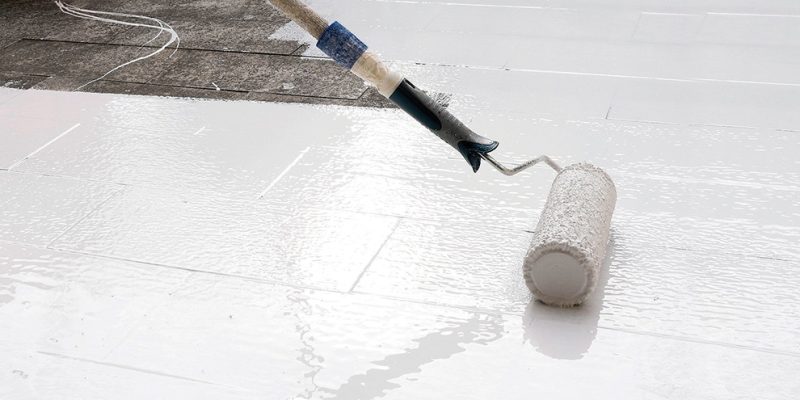
Waterproofing might not be the most visible part of your project—but it’s one of the most important. When it fails, the consequences are immediate and costly: leaks, structural damage, delays, and unhappy stakeholders.
Many property developers and project owners rely on suppliers without fully understanding what makes them qualified. The good news? You don’t need to be a technical expert to make the right choice. With a few simple checks and the right questions, you can confidently select a supplier that protects your investment long-term.
Why Choosing the Right Waterproofing Supplier Matters
A reliable waterproofing system does more than just keep water out—it protects your entire project.
Choosing the right supplier helps you:
- Avoid expensive repairs and rework
- Maintain your project timeline
- Protect structural integrity
- Reduce long-term maintenance costs
- Safeguard your reputation as a developer
On the other hand, choosing the wrong supplier often leads to recurring problems that cost far more than the initial savings.
What Makes an International Waterproofing Supplier Different?
Not all suppliers operate at the same level. An international waterproofing supplier typically offers advantages that go beyond basic products.
Here’s what sets them apart:
Proven Experience Across Projects
They’ve worked on a wide range of buildings—residential, commercial, and infrastructure—across different climates and conditions.
System-Based Solutions
Instead of selling a single product, they provide complete waterproofing systems designed to work together seamlessly.
Consistent Quality Standards
International suppliers follow strict quality controls, ensuring reliable performance across every project.
Adaptability
They understand that every project is different and can recommend solutions based on your specific needs.
For example, depending on your project, solutions may include:
- Brush-applied waterproofing systems for easy application
- Flexible membrane systems for movement and durability
- Protective coatings for long-term performance
Key Questions Every Developer Should Ask
You don’t need technical knowledge—just ask the right questions.
1. Do You Provide a Complete System or Just Products?
A complete system ensures all components work together. Mixing unrelated products can lead to failure.
2. Can You Show Proven Project Experience?
Ask for real examples. A qualified supplier should easily provide past projects similar to yours.
3. What Support Do You Offer?
Good suppliers don’t just sell—they support. Look for:
- Application guidance
- On-site advice
- After-sales service
Are Your Products Tested and Verified?
Reliable suppliers provide test reports and certifications that confirm performance.
5. Can Your Solution Fit My Project Conditions?
Every building is different. Your supplier should tailor their recommendation—not offer a one-size-fits-all solution.
Essential Documents You Should Request
Even without technical expertise, these documents help you verify credibility:
- Product Data Sheets – Simple breakdown of what the product does
- Method Statements – How the system will be applied
- Test Reports or Certifications – Proof of performance
- Warranty Details – What protection you get
- Project References – Real-world results
If a supplier cannot provide these, consider it a red flag.
Warning Signs of an Unqualified Supplier
Be cautious if you notice any of the following:
- Offers generic or “one-size-fits-all” solutions
- Avoids sharing documentation
- Has no proven project track record
- Provides little or no technical support
- Focuses only on price instead of performance
These are common signs of suppliers who may not deliver long-term reliability.
Where to Start Your Research
If you’re unsure where to begin, focus on suppliers that offer complete systems rather than standalone products.
A good starting point is exploring resources from an international waterproofing system supplier that provides structured solutions for different project needs.
For developers working locally, choosing a trusted waterproofing supplier Malaysia with proven systems and support can make a significant difference.
Chemind’s solutions page is particularly helpful for understanding how waterproofing systems are designed—not just individual products. It gives you a clearer picture of what to expect from a qualified supplier.
Simple Checklist for Developers
Before making your final decision, run through this quick checklist:
- ✔ Ask the right questions
- ✔ Request proper documentation
- ✔ Choose system-based solutions
- ✔ Verify real project experience
- ✔ Prioritize quality over price
This simple approach can save you from costly mistakes.
Conclusion
Waterproofing is not the place to cut corners. The supplier you choose will directly impact your project’s durability, cost, and long-term success.
The key takeaway? You don’t need to be an expert—you just need to be informed.
By asking the right questions, checking the right documents, and focusing on proven systems, you can confidently choose a qualified international waterproofing supplier.
Start early, do your research, and protect your investment from the ground up.
FAQs (Voice Search Optimized)
What does a waterproofing supplier do?
A waterproofing supplier provides systems and materials that prevent water from entering and damaging buildings.
How do I know if a waterproofing supplier is qualified?
Check their experience, documentation, certifications, and whether they offer complete systems with support.
Is it better to choose an international waterproofing supplier?
Yes, they often provide more reliable systems, broader experience, and consistent quality.
What is the biggest mistake developers make when choosing a supplier?
Focusing only on price instead of long-term performance and reliability.
Do I need technical knowledge to choose a waterproofing supplier?
No. Asking the right questions and reviewing basic documents is enough to make a smart decision.








Comments