
 By
By 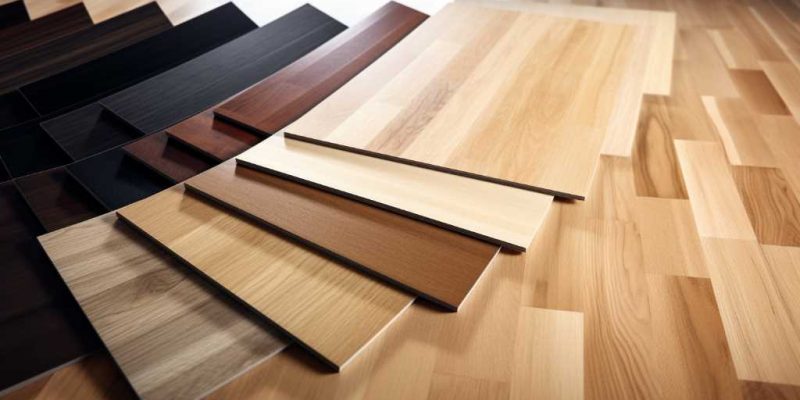
Flooring plays a major role in how buyers judge a home. Before buyers notice countertops or cabinets, they see the floors. Wood floors influence first impressions, emotional response, and price expectations. Many homeowners struggle with one key choice before selling or remodeling. Light wood or dark wood. Each option shapes buyer perception in different ways. This guide explains how light and dark wood floors affect resale value, buyer behavior, room appearance, and long-term market demand, so you can choose with confidence. To visualize both, check out this page.
WHY FLOOR COLOR MATTERS IN RESALE VALUE
Buyers judge homes within seconds of entry. Floors cover the largest visible surface. Color shapes mood, brightness, and size perception. Wood floors also signal quality and upkeep. Real estate data shows buyers respond more strongly to neutral, move-in-ready interiors. Floor color plays a direct role in that reaction.
Homes with broad buyer appeal sell faster and command stronger offers. Floors that match modern trends and flexible design styles attract more buyers. This increases competition and supports higher final sale prices.
HOW LIGHT WOOD FLOORS AFFECT BUYER PERCEPTION
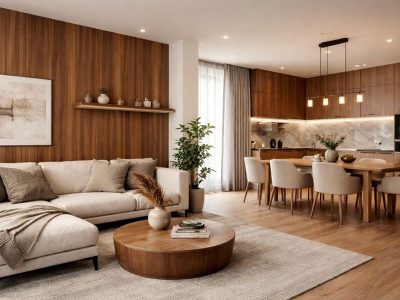
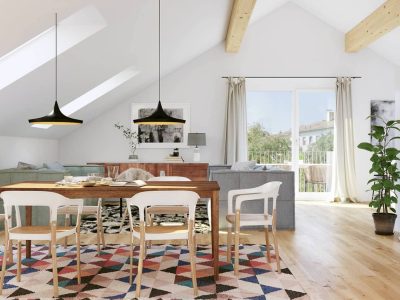
Light wood floors create a bright and open feel. Buyers often describe these spaces as clean and fresh. Light tones reflect natural and artificial light more evenly. Rooms appear larger and more inviting.
Light floors pair easily with many wall colors, furniture styles, and decor themes. This flexibility helps buyers visualize their own belongings in the space. That emotional connection increases buying confidence.
Modern buyers show strong interest in light oak, blonde maple, and pale ash. These tones fit Scandinavian, coastal, minimalist, and modern farmhouse interiors. Social media, staging trends, and design shows continue to push lighter floors into the mainstream.
Light floors also hide dust and pet hair better than dark surfaces. Buyers with pets notice this detail right away.
From a resale view, light wood floors offer broad market appeal. More buyers feel comfortable with this look. That wider appeal supports faster sales and stronger pricing.
HOW DARK WOOD FLOORS AFFECT BUYER PERCEPTION
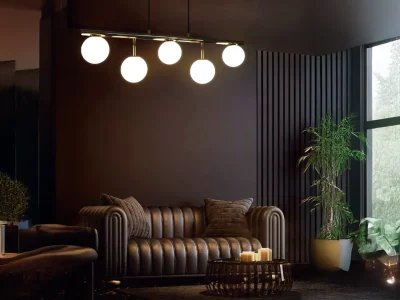
Dark wood floors create contrast, depth, and visual weight. Many buyers associate dark floors with luxury and formality. Deep brown, espresso, and walnut tones still carry a premium feel in formal living rooms and dining spaces.
Dark floors anchor large rooms with high ceilings. They work best in homes with strong natural light. Without ample light, dark floors shrink the visual space and feel heavy.
Dark floors show dust, scratches, and pet hair more easily. Buyers often notice surface wear during showings. This leads to price negotiations or repair requests.
Design trends shift away from overly dark interiors. Many modern buyers prefer lighter and warmer spaces. Dark floors still attract a smaller group of buyers who seek drama and contrast.
From a resale standpoint, dark wood floors offer strong appeal in the right homes. Large luxury properties benefit most. Smaller homes face more risk with dark tones.
LIGHT VS DARK FLOORS AND ROOM SIZE PERCEPTION
Light floors expand visual space. They reflect light across the surface and push walls outward in perception. Small rooms gain a sense of openness with lighter wood.
Dark floors absorb light. Walls appear closer. Ceilings feel lower in some rooms. In large spaces, this effect adds intimacy. In small spaces, this effect limits appeal.
Since many buyers shop for smaller homes, light floors offer safer resale performance across property types.
HOW LIGHT AND DARK FLOORS PERFORM IN DIFFERENT ROOMS
Living rooms benefit from both light and dark floors based on home size and window placement. Light floors suit most layouts. Dark floors suit large formal spaces.
Kitchens perform better with light wood. Spills, traffic, and stains show less on lighter tones. Buyers prefer bright kitchens for cleanliness perception.
Bedrooms gain warmth from medium to light tones. Dark floors feel cold to many buyers in sleeping areas.
Hallways and entryways benefit from light floors. These zones set first impressions. Bright wood increases visual flow.
Basements benefit from light floors due to lower natural light levels.
Bathrooms rarely include full wood floors. Waterproof wood tones follow the same rules. Light tones sell faster in bath spaces.
BUYER DEMAND DATA AND DESIGN TRENDS
Recent real estate staging reports show higher buyer engagement with light toned interiors. Homes staged with light floors receive more showing requests and stronger online engagement.
Luxury markets still support dark floors in upscale neighborhoods with large homes, high ceilings, and premium finishes. Mid range homes show stronger response to light and mid tone wood.
Search behavior and design platform trends confirm this shift. Light tones lead across remodeling projects, new construction, and renovation planning.
This trend supports higher resale value stability for light floors in most markets.
HOW FLOOR COLOR AFFECTS EMOTIONAL RESPONSE DURING SHOWINGS
Emotion drives home purchases. Buyers respond to feelings before logic. Light floors create a calm and open mood. Buyers feel relaxed and at ease.
Dark floors create drama and intensity. Some buyers enjoy this effect. Others feel pressure or constraint.
A relaxed buyer stays longer during showings. Time spent inside a home correlates with stronger offer potential. Light floors support longer viewing times and higher engagement.
MAINTENANCE IMPACT ON RESALE VALUE
Light floors hide small scratches better. Dark floors reveal every mark from shoes, pets, and furniture.
Buyers look closely at floor condition. Visible wear creates concerns about overall maintenance. Even minor floor damage raises doubts.
Homes with dark floors often require refinishing before sale. This adds cost for sellers. Light floors often sell well with minor surface wear.
Lower prep cost supports stronger net profit during resale.
FLOOR COLOR AND INTERIOR PALETTE FLEXIBILITY
Light floors support a wide range of wall colors, cabinet finishes, and furniture styles. Sellers stage homes more easily with neutral backdrops.
Dark floors limit color options. Some furniture clashed with dark tones. Buyers struggle to visualize alternate layouts.
Flexibility matters in resale. The more buyers connect with the space, the stronger the bidding response.
CLIMATE AND REGION EFFECTS ON FLOOR CHOICE
Sun heavy regions favor light floors. Light wood resists visible fading better than dark tones.
Cold regions sometimes favor dark floors for warmth perception. Yet modern insulation and heating now reduce this need.
Coastal markets favor light floors due to beach inspired design preferences. Urban luxury markets still support dark floors in high rise condos and formal townhomes.
Know your local market before choosing.
LIGHT VS DARK FLOORS AND ENERGY PERCEPTION
Light floors reflect heat and light more evenly. Rooms feel cooler and brighter.
Dark floors absorb heat and create warmer surface temperatures. This effect matters less with HVAC systems yet still shapes comfort perception.
Buyers notice comfort during showings. Light floors often create a more balanced climate feel.
RESALE VALUE COMPARISON SUMMARY
Light wood floors appeal to a wider buyer pool. This supports faster sales, fewer objections, and stronger price stability.
Dark wood floors attract a smaller yet dedicated segment. Luxury homes benefit more than mid range properties.
In most markets, light floors produce fewer resale risks.
WHEN DARK WOOD FLOORS MAKE SENSE FOR RESALE
Large custom homes with open layouts and floor to ceiling windows benefit from dark floors.
Homes with ornate trim, coffered ceilings, and formal architecture pair well with darker tones.
High end buyer pools still respond well to rich wood color.
If the home sits in a luxury neighborhood with similar finishes, dark floors work well.
WHEN LIGHT WOOD FLOORS OFFER STRONGER RETURN
Entry level and mid range homes benefit the most from light floors.
Homes with smaller rooms sell faster with light wood.
Open concept homes gain brighter visual flow with light tones.
Rental properties with frequent turnovers perform better with light floors due to wear concealment.
Flipped homes gain faster resale with light finishes.
FINISH TYPE AND FLOOR COLOR INTERACTION
Matte finishes reduce glare on both light and dark floors. Buyers prefer this effect in most homes.
Gloss finishes on dark floors show scratches and dust instantly. Many buyers avoid high gloss surfaces.
Textured finishes hide wear across all tones. Wire brushed and subtle grain textures work well for resale.
HOW TO CHOOSE THE RIGHT TONE BEFORE SELLING
Review your local market listings. Compare how light and dark floors perform in days on market.
Consider room size, window placement, and ceiling height.
Study buyer demographics. Young buyers prefer modern light tones. Upscale buyers lean toward bold contrast.
Check your current floor condition. Refinishing dark floors increases prep cost.
Consult staging professionals for area trends.
COMMON SELLER MISTAKES WITH FLOOR COLOR
Choosing dark floors in small homes limits buyer interest.
Installing bold red or orange toned wood reduces modern appeal.
Mixing light and dark floors across main living areas breaks visual flow and confuses buyers.
Skipping refinishing on worn dark floors leads to price reductions during negotiation.
LIGHT VS DARK WOOD FLOORS FOR LONG TERM MARKET STABILITY
Light floors resist trend shifts better. Design trends cycle often, yet light neutral wood remains safe across decades.
Dark floors rise and fall in popularity faster. When trends shift away from bold contrast, dark floors lose appeal faster than light.
Stability supports consistent resale value over long ownership periods.
FINAL VERDICT ON LIGHT VS DARK WOOD FLOORS FOR RESALE VALUE
Light wood floors deliver broader appeal, easier staging, lower prep costs, and faster sales across most markets. They support higher buyer confidence and stronger offer activity.
Dark wood floors still serve luxury homes and large formal spaces with strong natural light. These floors attract a focused buyer group that values contrast and drama.
For most homeowners focused on resale value, light wood floors offer a safer and more profitable investment path.
Source: Bergamo Floors







Comments