
 By
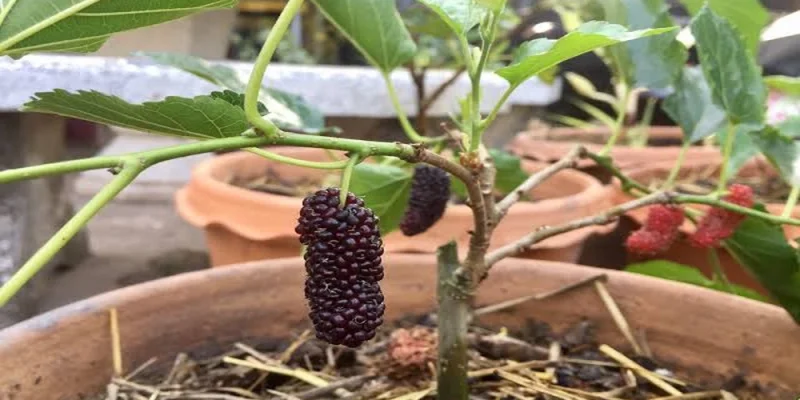
A new path, greenhouse or seating area may be planned where a young apple tree already grows. Moving it disturbs the roots that supply water and anchor the plant; changing its position on paper is the easy part.
Before ordering a replacement or reaching for a spade, assess whether relocation is necessary and manageable. A recently planted specimen presents different possibilities from an established tree, and its destination and aftercare matter.
Assessing a Young Tree for Relocation Before Choosing Fruit Trees for Sale
Establish why the tree must move. A proposed building, an unsuitable site and a wish to rearrange the view carry different urgency and justify different levels of root disturbance.
The relationship between tree age and establishment is explicit in published nursery advice. A specialist from ChrisBowers notes that older trees transplant less readily and sometimes fail, or take longer to return to fruiting, in its apple buyers’ guide. The passage concerns choosing nursery stock; it is not a detailed method for lifting an established garden tree. Its relevance to relocation is the caution against treating extra size as an automatic advantage. Before digging, the useful comparison is between preserving the existing tree where it stands, moving it with a realistic root system, and starting elsewhere with suitable new material. Those choices involve different disturbance and different expectations. A tree’s previous cropping history does not remove the need to establish roots again after movement. The published nursery perspective is available here, and it supports an assessment centred on the plant’s ability to settle, rather than the attractiveness of a newly drawn garden layout.
The RHS advises moving established trees only where necessary, because even careful work may end in failure. It also distinguishes younger specimens from those that have been growing in place longer. Treat that distinction as a prompt for assessment, not a guaranteed age limit. The size of the root system, access around it and the condition of the tree all influence what is feasible. A tree that looks small above ground is not automatically a small lifting job.
Compare the intended benefit with a practical alternative. Could a path curve around the tree, a bench move instead, or a border be redesigned while the roots remain undisturbed? If the original position is genuinely unsuitable, those alternatives may not solve the problem. The exercise is still worthwhile because it reveals whether moving the tree serves a horticultural purpose or merely tidies a drawing. The existing planting has value that should be considered before it is dismantled.
Separate sentimental value from confidence about the operation. A tree planted to mark an occasion may deserve particular effort, yet its importance does not reduce the risks of root loss. Explain that value when asking for professional advice, so realistic options are discussed early. The decision should leave room for keeping the tree, postponing the change or arranging qualified help. Beginning to dig should follow an assessment, rather than become the event that forces the assessment to happen.
Read the Tree and the Access Route Before Committing
Record the tree’s identity, rootstock if known, approximate planting date and recent condition. Note whether it made ordinary extension growth, lost branches or struggled during the previous summer. These observations do not produce a survival percentage, but they give an adviser more to work with than height alone. Keep photographs of the whole tree and the trunk base. A tree already showing unexplained decline should be assessed before lifting adds another possible cause of stress.
Inspect the area around the trunk without assuming that the original planting hole still defines the roots. Paths, buried edging, neighbouring plants and underground services may restrict excavation. Establish where it is safe to dig before disturbing the ground. Do not cut unfamiliar cables or pipes, or attempt to solve an obstructed route by removing major roots without advice. The relevant question is whether enough roots and surrounding soil can be retained and handled, not whether the spade fits beside the stem.
Now walk the route to the destination. Measure narrow openings, notice steps and slopes, and decide where a lifted rootball would rest if the movement had to pause. The rootball is the mass of roots and soil retained around them.
Its weight is easy to underestimate, particularly in moist soil. Consider how the load will enter and leave the trolley before relying on it.
Discuss the stop point with anyone helping. If exploratory work reveals a much larger root system, an obstruction or a load that cannot be handled securely, the plan needs revision. Keep roots protected while obtaining advice and avoid turning uncertainty into hurried cutting. Moving a young garden tree by hand and relocating a mature specimen with specialist equipment are different operations. Recognising that boundary protects both the plant and the people doing the work.
Prepare the Destination and the Working Window First
A new location must offer more than empty space. Check the light, drainage, soil condition and eventual room for the tree, using its known cultivar and rootstock rather than its present outline. Think through picking and ordinary care from that position. If the move is intended to solve summer drought but the destination is another narrow strip beside paving, the main difficulty may simply change address. The improvement should be identifiable before any roots are disturbed.
For deciduous fruit trees, the RHS places relocation in the dormant period and favours calm, dull conditions that limit root drying. Soil condition still decides whether a particular day is workable. Frozen ground and saturated soil are poor starting points. Prepare the receiving area in advance, while leaving room to adjust the hole to the actual retained root system. A hole chosen because it is quick to dig may be too narrow once the tree arrives beside it.
Bring the necessary materials to the site before lifting: suitable wrapping to protect roots, water, any planned support and tools for backfilling. Make sure the route is clear and the people helping know the sequence. The aim is to lift and replant without an unnecessary interval. If the destination cannot be made ready, postpone lifting. Avoid creating a temporary storage problem solely because a free morning has appeared in the diary.
Larger or longer-established specimens sometimes require advance root preparation, and the RHS discusses this separately from immediate lifting. That is a reason to seek advice early, not an instruction to trench around every small tree. Such preparation deliberately affects roots and needs a justified plan. Where a garden project has a fixed construction date, resolve the tree decision before contractors arrive.
Keep Roots Supported and Covered During the Move
Exploratory digging establishes the extent of the roots before lifting is confirmed. Retain as much suitable rootball as is practical, cutting unavoidable roots cleanly rather than tearing them by pulling the trunk. Protect exposed roots from drying. Dimensions depend on the individual tree; a standard circle copied from another gardener’s photograph may not suit yours. Support the rootball from beneath during handling. University of Minnesota Extension specifically warns against lifting rootballed trees by the stem. Arrange suitable material and enough help before the soil mass is freed, with a clear route ready for the load.
Loosely gathered branches may pass through more easily, provided ties do not damage them. Keep the tree stable and resist shaking soil away to lighten the load, exposing fine roots. At the receiving hole, inspect the position before backfilling. The upper structural roots should remain near the surface, with the trunk flare visible where the stem broadens into roots. Use the previous soil mark only if the original depth was correct. Keep a graft union above soil. Adjust the hole to the roots, rather than bending or burying the tree to fit it.
Settle the tree upright before firming. Return suitable excavated soil around the roots carefully, avoiding large voids. Water as appropriate to bring soil into contact with the rootball, then check the level again. Do not pack the hole with concentrated feed as compensation for disturbance. The immediate objective is a stable root environment. Take a photograph before mulch conceals the surface so the planting level remains available for comparison. This also records the position of any support, making later movement easier to recognise without disturbing the soil again.
Rebuild Anchorage and Water Management Around the Disturbed Roots
The tree may have stood without support before the move, yet its anchorage has now changed. Decide on appropriate support while planting, so a stake is not later driven blindly through the retained roots. RHS guidance explains that support limits damaging root movement while allowing some trunk flexibility. A tree on a weak dwarfing rootstock may have longer-term support needs as well. Match the arrangement to the actual tree rather than assuming every stake has the same removal date.
Check the contact between tie and bark and allow for growth. A relocated tree beside a new path is especially easy to overlook once the landscaping looks finished. Put the first support inspection into the normal garden routine and check again after strong wind. Movement at the soil surface, rubbing or a loosening stake deserves attention. Tightening every tie is not an adequate response if the anchoring stake itself has become unstable.
Water management must respond to the reduced or disturbed root system. The RHS establishment guidance notes that soil around roots may be dry despite a moist-looking surface, and that excessive water is harmful too. Check the root area deliberately instead of repeating the schedule used before relocation. A rain shower, a newly laid mulch and a dark soil surface do not independently show that the retained rootball has received enough moisture. Equally, persistent saturation needs investigation rather than another routine soaking.
Keep competing vegetation under control and use a suitable surface mulch while leaving the trunk base clear. Make access for water and inspection convenient before neighbouring planting fills out. The aftercare plan should name who will check the tree during a dry spell or a holiday. Relocation saves a familiar plant only if its new position remains workable after the spades are put away; the lifting day is the beginning of that responsibility.
Judge Recovery Over Time Without Promising a Harvest Date
Bud opening is encouraging, but it should not be treated as the end of establishment. A tree still needs a functioning root system as leaves expand and weather changes. Observe leaf condition, shoot development and stability without repeatedly digging to inspect new roots. Keep a short record of the move, including the retained rootball, any roots cut and the conditions afterwards. If concerns arise, that sequence is more useful than a photograph of a single leaf taken without context.
Respond to deterioration by checking the relevant conditions first. Persistent wilting, dieback or standing water warrants attention, especially if symptoms are worsening. Review moisture, planting level, support and any physical injury, and seek advice where the cause remains uncertain. Adding feed, extra water and hard pruning together makes the response harder to interpret. The RHS cautions against hard pruning as part of relocation preparation; later reshaping should wait until the tree’s recovery and the crop’s pruning needs are understood.
Cropping expectations need similar restraint. Previous fruitfulness does not establish when the disturbed tree will again carry a useful crop. Discuss management of any early fruit with a knowledgeable grower in relation to the tree’s vigour and root disturbance, rather than treating one season’s yield as the sole measure of success. The more immediate result to seek is a tree that remains stable, makes appropriate growth and receives care that the new site allows you to repeat.
At the next meaningful review, return to the original reason for moving. Has the new position improved access, light or the use of the garden? Is the tree settling, or has a new limitation become apparent? Keeping these questions separate prevents a pleasing layout from being mistaken for horticultural recovery. A successful decision is one made with realistic handling, a suitable destination and sustained aftercare, while recognising that even a carefully moved young tree carries uncertainty.








Comments