
 By
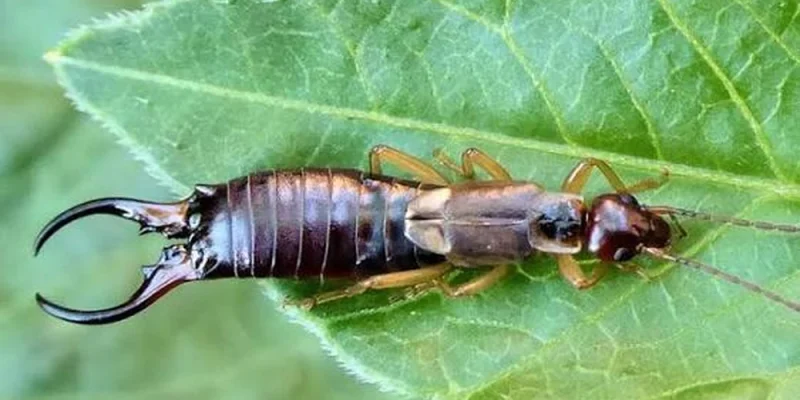
When the first cool nights arrive in Rogers each fall, several kinds of insects start looking for a warm place to spend the winter. They gather on the outside of houses and work their way in through small openings. Boxelder bugs, lady beetles, and stink bugs often gather on houses in large numbers, slipping indoors through small gaps around windows, doors, and siding. Rogers, AR pest control in the fall focuses on keeping these overwintering insects out before they find their way inside. Once they reach the walls, removing them is harder than stopping them at the door.
Which Insects Move In for Winter
A few species account for most fall invasions in Northwest Arkansas:
- Boxelder bugs. Black-and-red bugs that feed on boxelder and maple trees all summer, then cluster on warm walls in fall.
- Multicolored Asian lady beetles. Orange beetles that help in the garden but gather indoors in large numbers and leave a stain and an odor when crushed.
- Brown marmorated stink bugs. A shield-shaped invasive insect that has reached Northwest Arkansas, known back east for packing more than 25,000 into one home over a winter.
- Cluster flies. Slow, dark flies that collect in attics and wall voids and reappear on warm winter days.
- Leaf-footed bugs. Larger brown bugs that follow the same pattern into sheltered spots on the house.
Why They Gather on Sunny Walls in Fall
These insects move toward homes when a cold snap is followed by a warm, sunny spell. The heat radiating off south- and west-facing walls and roofs draws them to the brightest, warmest side of a house. They land in large groups on siding and around windows, then crawl toward any opening that leads into a protected space. In Northwest Arkansas this usually begins in October, as the first frosts push the insects off the trees and fields toward buildings. Rogers homes with open, sun-facing walls and nearby trees see the heaviest gatherings. The pattern repeats on warm days through fall until the cold finally keeps them in place.
How They Get Inside
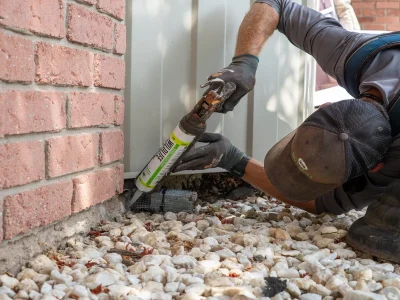
These bugs slip in through gaps around doors, windows, siding, and other spots where outside air gets inside. Check the caulk around windows and doors, especially where it has cracked or pulled away. Torn screens, loose door sweeps, and open vents give these bugs other ways inside. Look up at the soffits and around places where pipes or cables pass through the walls, too. Small gaps along the roof can lead into the attic or wall cavities.
These insects often gather on light-colored walls that get plenty of sun. As winter approaches, they move into sheltered spaces inside the structure. They don’t feed or reproduce indoors. Bugs that wander into heated rooms often die there because the warmth uses up the energy they have stored for winter.
Keeping Fall Invaders Out
Before fall arrives, check the windows, doors, screens, and vents for gaps these bugs could use. Fill cracks with caulk and replace worn door sweeps. A vacuum works well for bugs already inside and saves the mess that comes from crushing lady beetles or stink bugs. Palisade Pest Control treats exterior entry points at Rogers homes ahead of the seasonal influx, giving homeowners a chance to deal with the problem before the bugs gather on the walls.
Why Sprays Alone Won’t Keep Pests Out
A spray may kill the bugs on the wall, but more can arrive the next day through the same gaps. Rain and sunlight also wear down outdoor treatments. Foggers have little effect on insects tucked inside walls or attics, and dead bugs left in hidden spaces can attract carpet beetles. Caulk, repaired screens, and tight door sweeps take time to install, but they can keep those entry points closed for years.
A Fall Pest Problem Best Handled Early
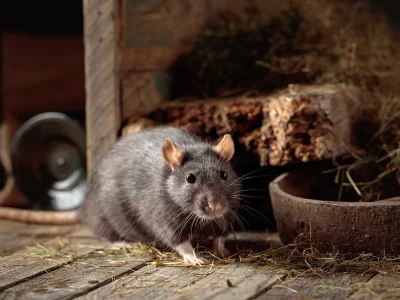
A few bugs by the window are easy to ignore. Hundreds in the attic or crawling across the walls in winter are another story. These insects rarely cause damage, but the gaps they use can let mice and spiders inside, too. For Rogers homeowners, checking and sealing those openings before fall temperatures drop can help keep the bugs out and leave fewer ways for other pests to enter.




Comments