
 By
By 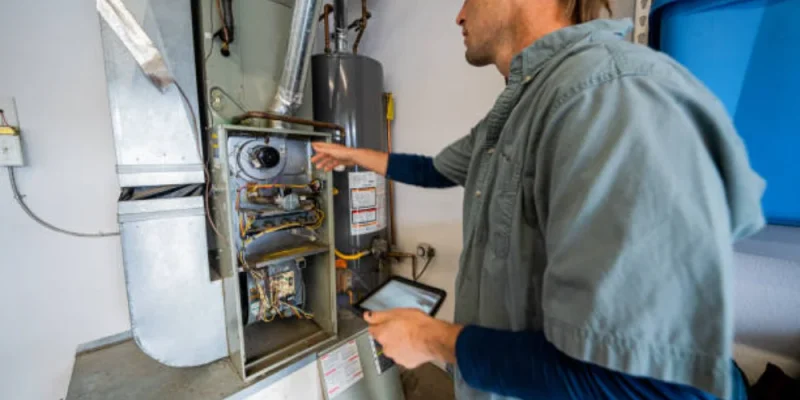
When winter settles over Salt Lake City, your furnace becomes more than just a home appliance—it becomes essential. Freezing temperatures, dry air, and long heating cycles can push even a well-maintained system to its limits. Many homeowners only realize something is wrong when their home suddenly feels cold or their energy bills spike.
The good news is that most furnace issues give warning signs before they turn into costly breakdowns. Understanding these common problems—and knowing how to respond—can save you time, money, and stress during the coldest months.
Why Furnace Problems Are Common in Salt Lake City
Salt Lake City’s climate plays a major role in furnace performance. Long winters mean furnaces run for extended periods, increasing wear and tear. Dust, dry air, and fluctuating temperatures can also affect system efficiency.
In older homes, outdated heating systems or poor insulation can make the problem worse. Even newer systems can struggle if maintenance is ignored.
1. Furnace Not Producing Enough Heat
One of the most common complaints is a furnace that runs but doesn’t heat properly. You may notice uneven temperatures or rooms that never warm up.
Possible Causes:
- Dirty air filters are restricting airflow
- Thermostat issues or incorrect settings
- Blocked vents or ducts
What You Can Do:
Start by checking and replacing the air filter. This simple step often restores airflow and improves heating. Also, ensure vents are open and not blocked by furniture.
If the issue continues, it may be time to consider professional furnace repair in Salt Lake City, UT, to inspect deeper system problems.
2. Strange Noises Coming from the Furnace
A healthy furnace should operate quietly. If you hear banging, rattling, or squealing sounds, it’s a clear sign that something isn’t right.
Common Reasons:
- Loose or broken internal components
- Blower motor issues
- Ignition or burner problems
Quick Tip:
Turn off the furnace and check for visible loose panels. However, avoid opening internal parts unless you are trained. Persistent noise should always be inspected by a professional.
3. Frequent Cycling (Turning On and Off)
If your furnace keeps turning on and off too often, it is known as short cycling. This not only reduces comfort but also increases energy consumption.
Why It Happens:
- Overheating due to restricted airflow
- Faulty thermostat readings
- Improper furnace size for the home
Fix:
Replace dirty filters and check thermostat placement. If the thermostat is near a heat source, it may give false readings.
Short cycling often requires expert diagnosis, especially if it involves electrical or sizing issues.
4. Rising Energy Bills Without Explanation
A sudden increase in heating costs is often linked to furnace inefficiency. Even if your system is still working, it may be consuming more energy than necessary.
Key Causes:
- Worn-out components
- Lack of regular maintenance
- Leaky ductwork
What to Do:
Schedule a system inspection and tune-up. Regular servicing helps your furnace run efficiently and can extend its lifespan.
5. Pilot Light or Ignition Problems
Older furnaces rely on a pilot light, while newer systems use electronic ignition. If your furnace fails to start, the ignition system could be the issue.
Warning Signs:
- Furnace not turning on
- Intermittent heating
- Visible flickering or weak flame
Safety Note:
If you suspect a gas-related issue, avoid DIY fixes. Turn off the system and contact a professional immediately.
6. Poor Indoor Air Quality
A faulty furnace can affect more than just temperature. It can also reduce indoor air quality, making your home feel dry, dusty, or uncomfortable.
Common Indicators:
- Increased dust buildup
- Dry skin or irritation
- Allergy symptoms worsening indoors
Solution:
Replace filters regularly and consider adding a humidifier. Professional servicing can also clean internal components and improve airflow.
Preventive Maintenance Tips for Homeowners
The best way to avoid furnace problems is through regular care. Small actions can make a big difference over time.
Simple Maintenance Steps:
- Replace air filters every 1–3 months
- Keep vents and ducts clean
- Schedule annual professional inspections
- Check thermostat settings regularly
Preventive maintenance not only reduces breakdowns but also improves energy efficiency and indoor comfort.
When to Call a Professional
While some minor issues can be handled at home, many furnace problems require expert attention. Delaying repairs can lead to bigger issues, including complete system failure.
If you notice persistent problems, unusual smells, or inconsistent heating, it’s best to seek professional help early. Timely repairs ensure your home stays warm and safe throughout the winter.
Wrapping Up
Furnace problems are common, especially in colder regions like Salt Lake City. However, most issues don’t appear overnight. They develop gradually, giving you time to act if you know what to look for.
By understanding the warning signs, performing basic maintenance, and addressing issues early, you can keep your heating system running smoothly. A reliable furnace not only keeps your home comfortable but also protects your energy costs and long-term investment.



Comments