
 By
By 
Selecting a reliable heating system is one of the most significant investments a property owner will make. Modern heating units do much more than simply warm your living space; they regulate humidity, improve indoor air quality, and determine your monthly utility expenses. Achieving peak performance requires an accurate setup that matches the architectural layout of your property. To ensure long-term comfort and safety, homeowners must prioritize a professional furnace installation.
Assessing Home Heating Loads Accurately
Every residential structure possesses unique thermal characteristics based on its construction materials. A professional technician begins the upgrade process by calculating the precise heating load of the building envelope. This assessment involves measuring total square footage, analyzing window insulation ratings, and checking attic insulation depth to prevent energy waste.
Choosing a system based on guesswork can lead to severe operational issues. An oversized unit will heat the home too quickly, leading to frequent cycling that wears out internal electrical switches. An undersized system will run continuously without ever reaching the target temperature on your thermostat. Both scenarios cause your monthly energy bills to skyrocket.
Selecting the Right Fuel Source and Model
Homeowners can choose from several fuel types depending on local utility availability and long-term energy goals. Natural gas remains highly popular due to its rapid heat delivery and cost-effectiveness. Electric models and advanced heat pumps offer excellent alternatives for properties focused on reducing carbon footprints and maximizing resource efficiency.
Modern heating systems feature high Annual Fuel Utilization Efficiency (AFUE) ratings that significantly surpass legacy equipment. When you invest in a certified furnace installation, you ensure that up to ninety-eight percent of the fuel consumed is converted directly into usable heat. This high conversion rate creates a more sustainable household budget.
Essential Components of a Professional Setup
A high-quality heating setup requires careful assembly of multiple connected components. The process extends far beyond simply placing a new unit into a utility closet or basement.
- Ventilation Pipeline Alignment: Ensuring exhaust gases exit the home safely through dedicated PVC or metal flues.
- Gas Line Safety Checks: Testing all fuel connections with electronic leak detectors to guarantee absolute safety.
- Electrical Upgrades: Modifying circuit breakers to match the specific voltage demands of advanced blower motors.
- Ductwork Sealing: Applying mastic sealant to distribution joints to prevent warm air from escaping into unconditioned spaces.
- Thermostat Integration: Syncing the new heater with smart controls to enable automated energy-saving schedules.
The Vital Role of Strategic Distribution
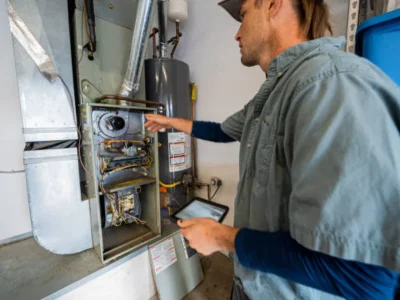
Warm air must move freely through your home to eliminate drafty areas and cold spots. A professional technician inspects the existing ductwork to ensure it can handle the static pressure of a high-efficiency blower. If the ductwork is restricted, the system will overheat, causing safety switches to shut the unit down prematurely.
Proper balancing of the return and supply vents allows for even thermal distribution in every room. This balance keeps the air moving through filtration systems consistently, trapping airborne dust and pet dander. As a result, your living space remains clean, healthy, and highly comfortable throughout the coldest winter months.
Long-Term Benefits of Expert Implementation
Choosing an expert for your heating setup provides several long-term advantages that protect your financial investment. These benefits ensure that your home remains efficient and worry-free for decades.
- Valid Warranty Status: Most manufacturers require proof of professional setup to honor parts replacement claims.
- Lower Operational Costs: Correctly calibrated burners consume the minimum amount of fuel required for warmth.
- Whisper-Quiet Operation: Sound-dampening grommets and balanced fans eliminate the loud bangs associated with older systems.
- Extended Equipment Lifespan: Proper setup minimizes component friction, adding years to the functional life of the heater.
- Enhanced Property Value: A modern, documented heating infrastructure serves as a major selling point for future buyers.
Maximizing Efficiency with Smart Maintenance
Once your new heating system is fully operational, maintaining its efficiency depends on consistent daily habits. Homeowners should inspect air filters every thirty days, replacing them promptly when dust accumulates to protect the blower motor. Keeping outdoor intake pipes clear of leaves and winter snow drifts is also essential for safe combustion.
Scheduling a professional checkup before the arrival of winter ensures that your system continues to run at peak performance. Technicians will clean the flame sensors, lubricate moving bearings, and verify that safety limits function correctly. This small investment prevents unexpected mid-winter breakdowns and maintains a stable, cozy indoor climate.
Summary
A professional heater setup is a vital step toward optimizing home comfort, maximizing energy efficiency, and securing long-term peace of mind. By focusing on accurate load calculations, correct component integration, and strategic ductwork balancing, you prevent expensive mechanical failures and high utility bills. Partnering with a certified technician ensures a seamless setup process that protects your equipment warranty and preserves indoor air quality. Ultimately, a high-efficiency installation transforms your home into a reliable, warm sanctuary that operates cost-effectively throughout the harshest winter seasons.


Comments