
 By
By 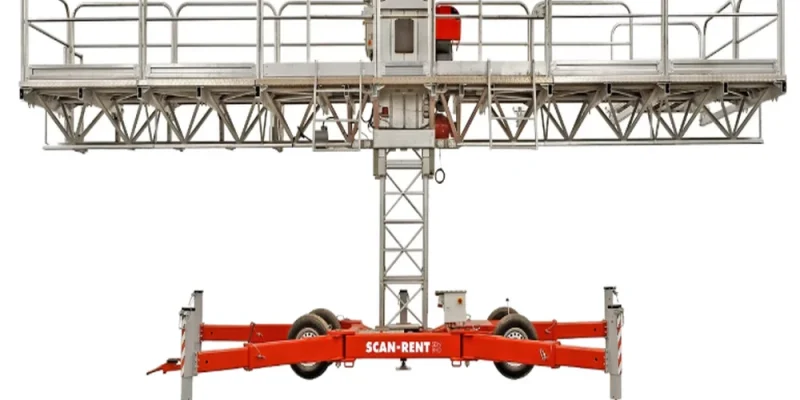
Malaysia’s construction sector grew by 12.5% in 2025 with many construction projects coming in from special trade activities and non-residential buildings sub-sectors. Services for construction equipment rental in Malaysia have become an important part of the country’s construction industry. Contractors, developers, infrastructure companies and maintenance providers increasingly rely on rented equipment to support projects of various sizes and durations.
Construction equipment rental allows businesses to access specialised machinery without the long-term ownership responsibilities associated with purchasing equipment. This approach helps organisations adapt to changing project requirements while maintaining operational efficiency.
Choosing the right rental company is an important decision because equipment quality, reliability, safety standards and technical support can directly affect project timelines and workplace safety. Understanding the factors involved in selecting a rental partner can help project stakeholders make informed decisions that align with operational needs.
Why Equipment Rental Is Growing in Malaysia
Equipment rental is growing because construction projects require flexibility, access to specialised machinery and efficient resource management.
Malaysia continues to invest in infrastructure, commercial developments, industrial facilities and residential projects. Construction companies often need different types of machinery depending on project scope, location and duration.
Several factors contribute to the increasing demand for equipment rental services:
- Greater project diversity across industries
- Need for specialised equipment on short-term projects
- Reduced responsibility for equipment ownership
- Access to newer technologies and machinery
- Improved operational flexibility
Rental solutions allow contractors to obtain the equipment they need without maintaining large fleets that may remain idle between projects. The growth of urban development and high-rise construction has also increased demand for access equipment, lifting systems and specialised work platforms.
Understanding Construction Equipment Rental Services
Construction equipment rental refers to the temporary provision of machinery, access systems and construction-related equipment for specific project requirements.
Rental providers typically offer a broad range of equipment categories, including:
| Equipment Category | Common Applications |
| Access Equipment | Working at height, façade installation |
| Mast Climbing Platforms | Building construction and maintenance |
| Suspended Platforms | External façade works |
| Scaffolding Systems | Access and support structures |
| Material Handling Equipment | Lifting and transportation |
| Lifting Equipment | Heavy component installation |
Different projects require different equipment combinations. A reliable rental company should be able to understand project requirements and recommend suitable solutions.
Factors to Evaluate Before Renting Equipment
Selecting a rental provider requires careful assessment of operational capabilities and service quality.
The following factors should be considered before entering a rental agreement.
Company Experience
Experience demonstrates a provider’s ability to support complex projects and manage equipment requirements effectively.
Companies with extensive industry experience often have established procedures for equipment deployment, maintenance and safety management.
Project managers should evaluate:
- Years of operation
- Industry expertise
- Project portfolio
- Technical capabilities
- Safety record
A company that has supported a variety of projects is generally better prepared to address operational challenges.
Equipment Quality
Equipment quality affects productivity, reliability and workplace safety.
Well-maintained machinery is less likely to experience unexpected failures that can disrupt project schedules.
When assessing equipment quality, consider:
- Equipment condition
- Maintenance records
- Inspection schedules
- Age of machinery
- Compliance documentation
Equipment should undergo regular servicing and inspections to ensure safe operation.
Service Coverage
Service coverage determines how effectively a provider can support projects in different locations.
Malaysia’s construction activities occur across urban centres, industrial zones and infrastructure corridors. Rental companies should have the logistical capability to deliver equipment efficiently and provide support when required.
Strong service coverage contributes to faster deployment and reduced operational delays.
Equipment Availability and Project Requirements
Equipment availability is one of the most important considerations when selecting a rental company.
Construction projects operate on strict schedules. Delays caused by unavailable equipment can affect productivity and create project management challenges.
A suitable provider should maintain sufficient inventory to support varying project requirements.
Matching Equipment to Project Scope
Different projects require different equipment configurations.
Examples include:
- High-rise construction projects requiring mast climbing work platforms
- Façade maintenance projects requiring suspended platforms
- Building refurbishment projects requiring access scaffolding
- Industrial facilities requiring specialised access systems
Rental providers should understand these requirements and recommend appropriate solutions.
Availability During Peak Demand
Construction activity can fluctuate throughout the year.
Periods of increased construction activity may create higher demand for access equipment and lifting systems. Companies with larger equipment inventories are generally better positioned to support projects during peak periods.
Project planners should confirm equipment availability before project mobilisation.
Equipment Scalability
Scalability refers to the ability to increase or decrease equipment deployment as project requirements change.
Projects may expand, experience schedule adjustments or require additional access systems at different stages.
Rental providers should be able to accommodate these changes without significant disruption.
Safety Certifications and Compliance
Safety compliance is a fundamental requirement for construction operations.
Construction equipment must comply with relevant regulations, inspection requirements and workplace safety standards.
Rental companies should maintain documented safety procedures and ensure all equipment is regularly inspected.
Importance of Safety Certification
Safety certification demonstrates that equipment has undergone appropriate assessments and inspections.
Proper certification helps reduce operational risks and supports compliance with workplace safety requirements.
Key areas include:
- Equipment inspections
- Load testing
- Structural assessments
- Maintenance documentation
- Operator guidance
Documentation should be available when requested.
Compliance With Industry Standards
Construction projects often require compliance with established industry standards and safety procedures.
Rental providers should have processes that support:
- Safe installation practices
- Routine inspections
- Risk management procedures
- Equipment maintenance programmes
Compliance contributes to safer working environments and reduced operational risk.
Workforce Safety Considerations
Construction access systems are frequently used at significant heights.
Proper equipment selection, installation and maintenance help minimise hazards associated with elevated work environments.
Safety-focused providers place strong emphasis on risk assessment and operational safety.
Importance of Technical Support and Maintenance
Technical support ensures equipment remains operational throughout the rental period.
Construction projects often involve challenging site conditions and demanding schedules. Equipment downtime can affect productivity and project timelines.
Reliable technical support helps address issues quickly and efficiently.
Preventive Maintenance
Preventive maintenance involves scheduled servicing and inspections designed to reduce the likelihood of equipment failure.
Benefits include:
- Improved reliability
- Reduced downtime
- Enhanced safety
- Extended equipment lifespan
- Consistent performance
Equipment that receives regular maintenance is generally more dependable on active construction sites.
Emergency Support
Unexpected issues can occur despite preventive maintenance.
A rental company should have procedures for responding to equipment-related issues promptly.
Important support capabilities include:
- Technical troubleshooting
- Site inspections
- Repair coordination
- Equipment replacement where necessary
Prompt support can help minimise disruptions.
Technical Expertise
Technical expertise enables providers to recommend suitable equipment and resolve operational issues effectively.
Experienced technical teams understand equipment specifications, operational requirements and safety considerations.
This expertise supports better project outcomes.
Cost Considerations and Rental Flexibility
Cost evaluation should focus on overall project value rather than initial rental rates alone.
Rental arrangements vary according to project duration, equipment type and operational requirements.
Understanding Rental Structures
Rental agreements may be structured around:
- Short-term projects
- Long-term projects
- Project-specific deployments
- Specialised equipment requirements
Understanding the structure helps project teams select suitable arrangements.
Evaluating Overall Value
Value extends beyond equipment costs.
Project teams should consider the following:
| Consideration | Importance |
| Equipment reliability | Reduces downtime |
| Technical support | Improves continuity |
| Safety compliance | Supports risk management |
| Maintenance support | Enhances performance |
| Equipment availability | Prevents delays |
Evaluating these factors provides a more comprehensive understanding of project value.
Flexibility for Changing Project Needs
Construction projects rarely remain unchanged from start to completion.
Flexible rental arrangements can support:
- Project extensions
- Scope changes
- Additional equipment requirements
- Phased construction activities
Adaptability is often important for maintaining project efficiency.
Why Partnering With an Experienced Provider Matters
An experienced equipment rental provider contributes more than equipment supply.
Industry knowledge, technical expertise and operational support can help projects run more smoothly.
Better Equipment Recommendations
Experienced providers understand the relationship between project requirements and equipment capabilities.
They can recommend solutions that improve productivity and support safe operations.
Stronger Operational Support
Established providers often have dedicated support systems for:
- Equipment deployment
- Technical assistance
- Maintenance coordination
- Safety guidance
These capabilities support project continuity.
Improved Reliability
Reliability is essential in construction environments where delays can affect multiple project activities.
Providers with proven operational processes are generally better equipped to deliver consistent service.
Support for Complex Projects
Large-scale developments often involve specialised access solutions and multiple equipment categories.
Experienced providers are more likely to possess the resources and expertise necessary to support these requirements effectively.
Frequently Asked Questions (FAQs)
What is construction equipment rental?
Construction equipment rental is the temporary provision of machinery and specialised equipment for construction, maintenance and industrial projects. It allows businesses to access required equipment without purchasing it.
Why is equipment availability important when choosing a rental company?
Equipment availability affects project schedules and operational efficiency. Delays in obtaining required machinery can impact construction timelines and productivity.
How can I assess the safety standards of a rental provider?
You can review maintenance records, inspection procedures, safety certifications and compliance documentation. Providers should be able to demonstrate their safety management processes.
What types of projects commonly use access equipment?
Access equipment is commonly used for high-rise construction, façade installation, maintenance works, industrial projects and building refurbishment activities.
Why is technical support important during a rental period?
Technical support helps address equipment issues, coordinate maintenance and minimise downtime. Effective support contributes to uninterrupted project operations.
Supporting Successful Project Delivery
Choosing the right construction equipment rental in Malaysia requires careful evaluation of equipment quality, availability, safety compliance, technical support and operational experience.
Construction projects rely on dependable equipment and professional support to maintain productivity and workplace safety. Assessing these factors helps project teams identify providers capable of supporting both routine and complex project requirements.
A well-informed selection process contributes to smoother project execution, reduced operational risks and improved construction outcomes.
Contact Scan-Rent Sdn Bhd Today
Businesses seeking information about construction equipment rental, access systems and project support solutions can contact Scan-Rent Sdn Bhd to learn more about available equipment and services.







Comments