
 By
By 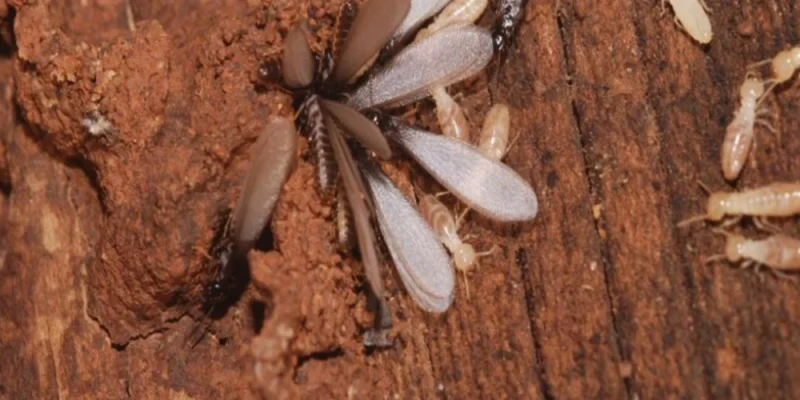
Termite treatment usually costs far less than fixing what termites leave behind. Zip Zap Pest, a Lawson company led by a Board-Certified Entomologist, is often called in after the carpenters have already opened up a wall or floor. By that point, the homeowner is paying for two things: treatment and structural repair. Below are seven common termite repairs and what could have prevented each one, followed by five local companies that handle termite work.
The National Pest Management Association estimates that termites cause about $5 billion in property damage in the United States each year. Most homeowners insurance policies exclude that damage, according to the Insurance Information Institute. The homeowner usually pays the full cost.
Which termite repairs cost homeowners the most?
1. Why is sill plate replacement so expensive?
The sill plate is the lowest horizontal board of a home’s framing, bolted directly to the foundation. Replacing it can mean temporarily supporting part of the house so the damaged section can come out. That work generally requires a carpenter or contractor, and sometimes a structural engineer. Sill plates sit right where subterranean termites come up from the soil, which makes them one of the first framing members to be damaged. Regular crawl space and basement inspections usually catch activity here long before replacement is needed.
2. What happens when termites damage floor joists?
Joists are the horizontal beams that hold up the floor. Termite-damaged joists can sag, bounce or crack. The usual fix is sistering, which means fastening new lumber alongside the weakened joist, or replacing the joist entirely. Many local jurisdictions require a building permit for structural framing repairs. That adds time and inspection steps. Moisture control in the crawl space and annual monitoring are the main ways to protect joists.
3. Can termites ruin hardwood floors?
Yes. Termites that reach the subfloor often damage the finished flooring above it. Hardwood can blister, buckle or feel spongy underfoot. Matching old hardwood can be difficult, so homeowners sometimes end up refinishing or replacing flooring across a whole room rather than one damaged section.
4. Why do finished basements lead to bigger repairs?
Drywall and framing installed against a foundation wall can hide termite activity for years. When the damage is finally found, repairs often involve removing drywall, insulation and baseboards to reach damaged studs, then rebuilding and refinishing the wall. Leaving an inspection gap along the foundation and scheduling annual professional inspections makes early detection much more likely.
5. What does it take to fix door and window frames?
Termites follow moisture, and door and window frames with failing caulk or flashing draw them in. Repairs can include replacing jambs, sills and trim. Sometimes a whole door or window unit has to be replaced if the frame no longer holds hardware securely. Maintaining exterior caulk and fixing leaks quickly cuts down on the moisture termites are looking for.
6. Are termite-damaged decks a safety problem?
Yes. The ledger board is the board that attaches a deck to the house, and when termites weaken it, the deck can pull away from the structure. Repairs often mean rebuilding the connection and replacing posts set in soil, and sometimes rebuilding the deck. Using pressure-treated lumber, keeping wood off the ground and having an inspector check the deck during routine visits all reduce the risk.
7. Why is bathroom subflooring a common repair?
Slow leaks around tubs, showers and toilets create damp wood that subterranean termites seek out, especially where plumbing passes through a slab or basement floor. Repairs can mean pulling the toilet or tub, replacing the rotted and termite-damaged subfloor, and then reinstalling the fixtures and tile. Fixing leaks early and checking plumbing access panels helps prevent this.
Who handles termite prevention and treatment near Kansas City?
1. Kansas city pest control (ZipZap Termite & Pest Control), Lawson
Zip Zap Pest is a third-generation, family-owned company. It is led by Jeff Preece, a Board-Certified Entomologist with more than 40 years in the pest control industry and a Public Health Entomology Certificate. The company holds QualityPro certification through the National Pest Management Association.
Its termite services include inspections, treatment and ongoing monitoring. Year-round bundle plans can also cover rodents, ants, spiders and moles. Zip Zap Pest serves Lawson, Kearney, Liberty, Excelsior Springs, Smithville, Plattsburg and rural properties throughout the Northland.
2. Don’s Termite Specialist
Don’s Termite Specialist is based in Richmond and offers termite services.
3. Rottler Pest Solutions
Rottler Pest Solutions has a location in Riverside and provides pest control services.
4. Gimson Pest Control
Gimson Pest Control operates out of Cameron and offers pest control services.
5. Blue Beetle Pest Control
Blue Beetle Pest Control has locations in the Kansas City area and provides pest control services.
Paying for Prevention Instead of Repairs
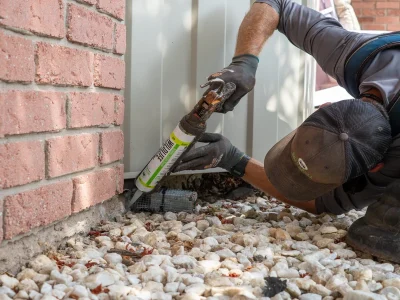
The most expensive termite repairs usually share one thing: nobody checked until the damage was obvious. Sill plates, joists and wall framing can often be protected by these steps:
If your home hasn’t been inspected in the past year, schedule one now, before a small problem becomes a structural repair.






Comments