
 By
By 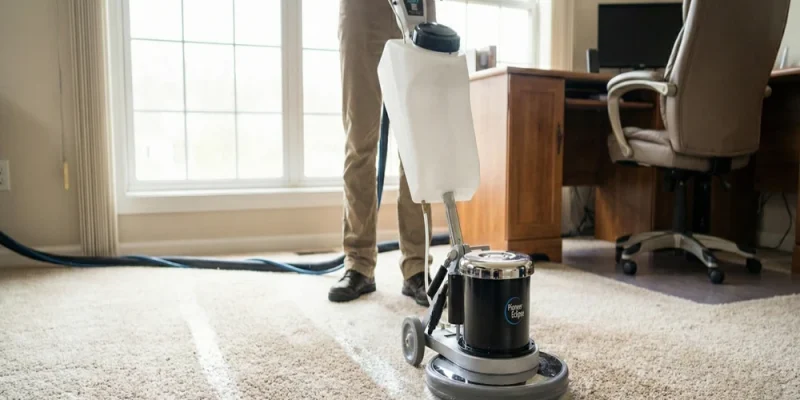
The first hour after a water incident can create a long shopping list. In a rental-unit carpet after a pet-water dispenser failed while the tenant was away, a better approach is to name the condition that needs to change, then choose a carpet water extractor only if it fits that job.
Compare the jobs in rental-unit carpet before comparing options
What stands out here is a small wet area with a larger damp underlayer and a concern about returning the room to normal use. It should be recorded before furniture, runners or stored items are put back, since those objects can hide the area that needs the clearest follow-up.
For a rental-unit carpet after a pet-water dispenser failed while the tenant was away, the most useful note is not a claim about what caused the problem. It is a short observation of what was touched, what was moved and what remains uncertain. That restraint is valuable because the next step may involve a supplier, insurer, electrician or restoration professional who needs facts rather than a confident guess.
Water removal, room air and inspection are different questions for rental-unit carpet
It is tempting to solve the problem by treating a comparison as a popularity contest between equipment categories. The room benefits more from a pause that separates what is visible from what needs to be checked.
The constraint is not merely physical space. Where a small wet area with a larger damp underlayer and a concern about returning the room to normal use, the plan should also account for ventilation, noise, drainage handling and the need to revisit the same area. Those factors can change whether a category is appropriate and where it can be used responsibly.
For this situation, compare each step by its job: removing liquid, moving air across an exposed surface, lowering humidity, or checking an uncertain area. That keeps the equipment choice tied to a measurable job instead of a vague desire to dry everything faster.
This is why compare each step by its job: removing liquid, moving air across an exposed surface, lowering humidity, or checking an uncertain area belongs ahead of a generic request for ‘dryers.’ The role of the equipment should be clear enough that a reader can explain what it is expected to change in the first hours and what it cannot be expected to prove. That distinction also keeps a supplier conversation focused on the room rather than on a shopping list.
There is a useful distinction between an urgent action and an informed action. a rental-unit carpet after a pet-water dispenser failed while the tenant was away may require both, but the informed part starts with a small wet area with a larger damp underlayer and a concern about returning the room to normal use and avoids treating a comparison as a popularity contest between equipment categories.
Once the immediate safety and water-source questions are addressed, the rental decision should explain why a category is being added, where it will sit and what observation should change. For whether the selected step changes the part of the room that was actually affected, that level of specificity is as useful for a short rental as it is for a larger response.
In this case, the reason is to compare each step by its job: removing liquid, moving air across an exposed surface, lowering humidity, or checking an uncertain area, with whether the selected step changes the part of the room that was actually affected reserved as the next check rather than an afterthought.
This comparison is about functions, not a claim that one category wins every time. In a rental-unit carpet after a pet-water dispenser failed while the tenant was away, the relevant contrast is between the work of removing held water, controlling room conditions and checking an uncertain material. Each function has limits that the others cannot erase.
The comparison stays fair by returning to a small wet area with a larger damp underlayer and a concern about returning the room to normal use and then to whether the selected step changes the part of the room that was actually affected. If the selected category does not change the condition it was chosen for, the next move is to reconsider the sequence rather than repeat the same rental by default.
Where carpet water extractor fits and where it does not for rental-unit carpet
If the inspection points toward this role, a carpet water extractor rental resource for Toronto provides a practical place to compare the category against a small wet area with a larger damp underlayer and a concern about returning the room to normal use and the access limits in the room.
A rental-unit carpet after a pet-water dispenser failed while the tenant was away may need more than one step without needing every available category. The point is to identify what comes first, what can wait and what does not belong in the plan at all.
Choose the next step by the evidence left in the room for rental-unit carpet
Keep the review specific: whether the selected step changes the part of the room that was actually affected. A clear checkpoint makes a rental decision accountable to the room rather than to optimism.
The closing check should focus on whether the selected step changes the part of the room that was actually affected. It is worth writing that condition down before equipment is moved, because it gives the household a defensible way to decide whether to continue, reposition, add another category or stop and seek a closer assessment.
A fair comparison keeps the room in charge of the decision.





Comments