
 By
By 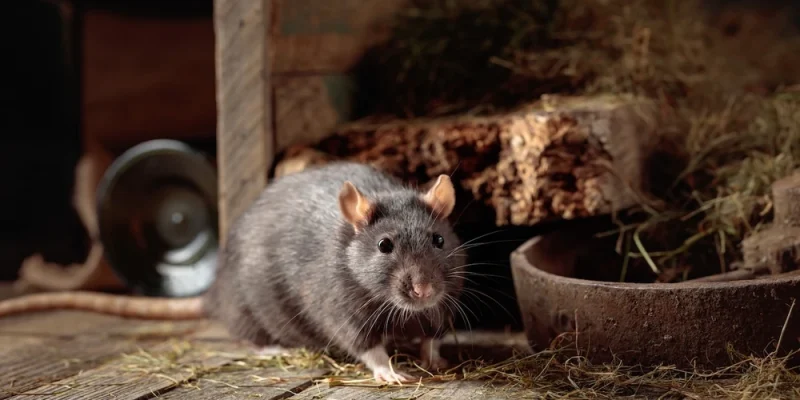
A small opening along the roofline, whether caused by a warped shingle or damaged soffit screening, can give a Central Florida roof rat a way inside. These rodents often reach rooflines by traveling along tree branches, fences, and utility lines, while Norway rats are more commonly associated with ground-level burrows and foundation entry points. As avatapest.com/rodents explains, sealing one gap does not guarantee the home stays protected if another opening develops months later.
Why Roof Rats Are Common in Central Florida Attics
Mature oak canopies, power lines running house to house, and the citrus and palm trees common in older Clermont neighborhoods give roof rats a path to the roofline that ground-dwelling rodents never get. Those climbing routes, combined with Central Florida’s mild weather, allow roof rats to remain active throughout the year:
- They nest up high. Attics, soffits, and spaces above garage ceilings provide the quiet shelter roof rats look for once they get inside.
- Food is close to the roofline. Dropping citrus, birdseed left in a garage, and pet food stored near a side door can attract roof rats.
- Late-summer storms push them inside. As the rainy season winds down and outdoor shelter gets less reliable, roof rats and Norway rats start moving into structures. Activity climbs from late August into early winter.
Why One Missed Opening Can Bring Rodents Back
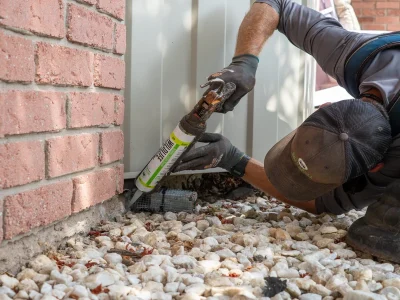
Sealing the visible gaps around a roofline is only part of exclusion. A missed opening around vents, seams, or utility lines can still give rats access to the attic.:
- Soffit and gable vents. These need galvanized mesh behind the existing screen, not a patch thrown over the visible damage.
- Pipe and utility penetrations. The gaps around them are easy to miss during a quick look from the ground, since they sit flush against the wall.
- Fascia-to-roofline seams. These can open slightly as a house settles, creating a new point of entry years after the place was built.
How Follow-Up Monitoring Helps Prevent Rodent Return
Sealing the openings around a home removes the access points rats are using now, but nearby trees, fences, and connected rooflines can create new opportunities for them later. Avata’s Premium Rodent Protection Program combines the initial exclusion work with follow-up visits that check for new activity, fresh gnaw marks, or openings that develop after repairs are completed. Follow-up visits allow technicians to find new openings or early signs of activity before roof rats settle into the attic again.
Signs Roof Rats May Be Living in the Attic
A roof rat group can include several animals living in the same attic space. Early activity is often easier to notice through small changes around the home before the sounds become constant.
- Scratching after dark. Scuffling between sunset and midnight, when roof rats are most active, and the house has gone quiet.
- Grease marks on wood. Dark smudges along rafters or wall studs, left as rats run the same route through the attic again and again.
- Shredded insulation. Loose nesting material gathered into a corner, tucked away from foot traffic.
- Gnawed fruit outdoors. Ragged bite marks on one side of citrus still on the tree, coarser than the cleaner marks a bird leaves behind.
Exclusion addresses the openings found during the first inspection, but the exterior of a home does not stay unchanged. Storms, repairs, and landscaping growth can affect areas around the roofline over time. A tree branch may grow back toward the house, a vent screen may become damaged, or a seal may loosen enough for rats to test the gap. Follow-up inspections give homeowners a way to find those changes before they turn into another attic issue.




Comments