
 By
By 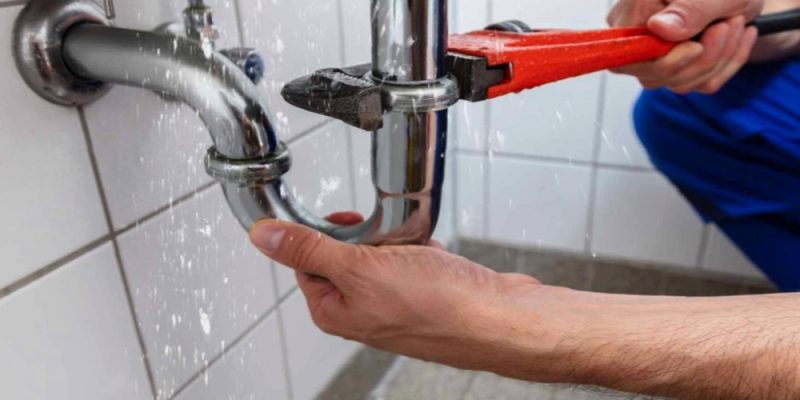
Plumbers who have worked residential callouts for any significant length of time will tell you something that rarely appears in home maintenance guides – the most destructive plumbing failures are almost never sudden. A pipe that bursts dramatically is the exception. The far more common scenario is a system that communicated its deterioration quietly, across months or years, through indicators that nobody thought to check. Plumbing system maintenance exists precisely to intercept that slow deterioration before it reaches the point where walls come down and floors come up.
Pressure Fluctuations Are Diagnostic
Most households experience occasional pressure variation and attribute it to neighbours using water simultaneously or supplier fluctuation. Sometimes that explanation is correct. What it misses is the subset of pressure changes that originate inside the property boundary – and those tell a completely different story. A gradual pressure reduction across all outlets simultaneously often indicates a developing leak diverting flow somewhere concealed. Localised pressure loss at a single fixture points towards partial blockage or internal corrosion narrowing that specific line. Plumbers measure baseline pressure during inspections precisely because deviation from an established baseline locates problems that have no visible symptoms yet.
Hot Water Systems Fail Quietly
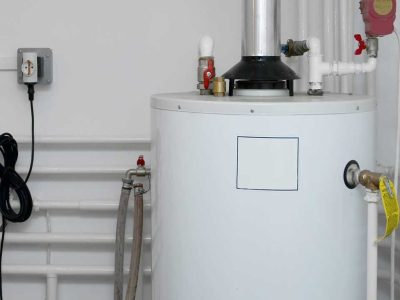
The sacrificial anode inside a storage hot water unit is one of the least discussed components in residential plumbing, yet its condition determines whether the tank corrodes from within or operates for its full intended lifespan. The anode is a magnesium or aluminium rod designed to corrode preferentially – it sacrifices itself so the tank lining does not. When it depletes entirely, which happens without any external indication whatsoever, the tank becomes the sacrificial element. Plumbing system maintenance schedules that include anode inspection catch this depletion before tank corrosion begins. Most homeowners have never heard of the component, let alone checked it – which explains why so many hot water units fail well before they should.
What Drain Cameras Actually Find
A drain that empties slowly is typically treated with chemical cleaners or a plunger until it flows freely again and then forgotten. What that approach misses is the structural condition of the pipe itself. Drain camera inspections – still underused in residential maintenance – regularly reveal root intrusion from nearby trees that has been expanding incrementally for years, pipe sections where ground subsidence has reversed the drainage fall creating retention zones, and joint separations that allow groundwater ingress during wet periods. These findings have no surface symptoms until failure is already advanced. Regular maintenance using camera inspection finds them at the stage where repair is straightforward rather than excavation-dependent.
The Water Meter Test Nobody Does
There is a diagnostic available to every homeowner that costs nothing, requires no tools, and takes roughly ten minutes. Close every water outlet in the property – taps, appliances, irrigation – and observe the water meter for movement. A meter that continues registering flow with everything closed confirms an active leak somewhere between the meter and the outlets. The leak may be minor or significant, but it is present and it is running continuously. This test is so simple and so revealing that its absence from standard home maintenance advice is genuinely puzzling. Plumbers who perform routine inspections run this check as a matter of course because it has a reliable habit of exposing concealed leaks that would otherwise run undetected for months.
Corrosion Patterns Cluster
A detail that experienced plumbers recognise and most homeowners do not is that corrosion within a plumbing system rarely appears in isolation. Pipe material, water chemistry, and installation age affect every fitting and joint on a given line simultaneously. When a single fitting shows early corrosion during an inspection, it is not treated as an isolated finding – it is treated as a signal that adjacent fittings on the same line warrant close examination. Addressing one without assessing its neighbours produces a maintenance cycle that replaces components piecemeal while the underlying pattern continues developing.
Conclusion
What makes plumbing system maintenance genuinely valuable is not any single inspection finding – it is the cumulative picture that develops when a system is checked consistently over time. Deviations from established baselines become visible. Deterioration patterns become identifiable before they become failures. Homeowners who maintain inspection records alongside their property documentation make better-informed decisions about repairs, replacements, and renovations. The plumbing that never causes a crisis is almost always the plumbing that was never left entirely to chance.






Comments