
 By
By 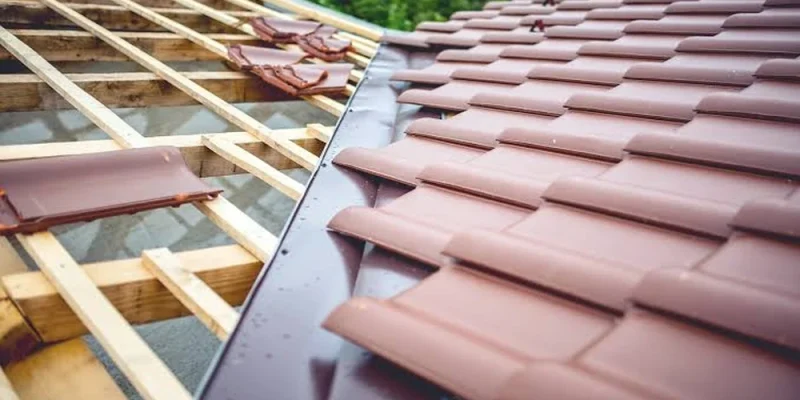
Building a new home or commercial property in Hamilton involves hundreds of decisions, but one of the most significant is often overlooked until construction is well underway-the roof. While roofing is installed during the later stages of a project, the planning should begin much earlier. Decisions made during the design phase influence everything from structural support and energy efficiency to future maintenance costs.
By considering the roofing system alongside the building plans, property owners can avoid costly design changes and ensure the finished structure performs well for decades.
Begin Roofing Discussions During the Design Stage
Roofing is closely connected to the overall design of a building. The roof shape, pitch, and structural framework affect not only the appearance of the property but also how it handles rain, snow, sunlight, and ventilation.
For example, a home with multiple rooflines may require additional flashing and drainage planning, while a commercial building with a low-slope roof will need a completely different waterproofing approach. Addressing these considerations before construction begins allows architects, builders, and roofing professionals to coordinate their work more efficiently.
Property owners who are preparing a new build can explore roofing solutions available throughout Hamilton to better understand how roofing fits into the overall construction process.
Match Roofing Materials to the Building’s Purpose
Material selection should support both the design of the property and its long-term use. Instead of choosing a roofing product based solely on appearance, it’s important to consider durability, maintenance expectations, and local weather conditions.
Questions worth asking include:
- Will the roof experience heavy snow loads?
- Does the building require a low-maintenance roofing system?
- Is energy efficiency a priority?
- Will rooftop equipment be installed in the future?
- Are there plans to add solar panels later?
Answering these questions early makes it easier to select materials that align with the building’s long-term goals.
Think Beyond Installation Day
A well-planned roof should continue performing efficiently long after construction is complete. This means considering how the roofing system will be inspected, maintained, and repaired over its lifetime.
Features that improve long-term performance include:
- Safe access points for future inspections
- Durable flashing around roof penetrations
- Adequate attic or roof cavity ventilation
- Proper insulation that supports indoor comfort
- Drainage systems designed to manage seasonal rainfall and snowmelt
Designing with maintenance in mind can reduce future repair costs and help extend the roof’s service life.
Coordinate Roofing with Other Building Systems
The roof does not function independently. It works alongside insulation, ventilation, drainage, and structural framing to protect the entire building envelope.
For instance, ventilation systems should be planned before roofing materials are installed to avoid unnecessary modifications later. Likewise, drainage components such as gutters, downspouts, and roof slopes should complement the architectural plans rather than being treated as afterthoughts.
When these systems are coordinated from the beginning, the completed roof is more likely to deliver reliable performance in Hamilton’s changing climate.
Build for Long-Term Value
A new roof represents a long-term investment, and thoughtful planning often delivers greater value than focusing solely on upfront construction costs. Considering durability, energy performance, and ease of maintenance during the design phase can help reduce unexpected expenses in the years ahead.
Working with a roofing contractor serving Hamilton during the planning stages allows builders and property owners to identify practical solutions before construction begins. Companies such as Aucoin Roofing contribute valuable insight on roof design, flashing details, ventilation strategies, drainage planning, and material selection, helping ensure the finished roofing system supports the building well into the future.



Comments