
 By
By 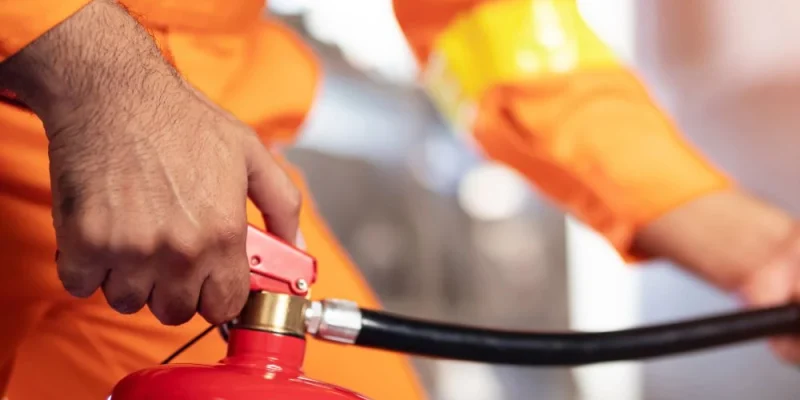
Introduction
A strong fire prevention strategy helps protect people, property, equipment, and business operations from fire risks. Fires can result from electrical problems, flammable materials, unsafe work practices, or simple oversights. A clear plan helps identify these risks and address them before they become emergencies. Fire prevention should also be treated as an ongoing responsibility, with regular checks and improvements made when new risks appear.
Many organizations work alongside specialized providers such as The Fast Fire Watch Company to design and execute robust monitoring protocols tailored to their specific operational hazards. Integrating trained personnel into your overall prevention framework ensures continuous oversight during routine checks, equipment upgrades, or unexpected coverage gaps. By combining proactive risk assessment with dedicated professional monitoring, businesses build a resilient defense mechanism that drastically minimizes fire risks and safeguards both personnel and physical assets.
Identify Fire Hazards
The first step is to identify possible fire sources, including overloaded electrical systems, combustible materials, flammable liquids, open flames, and hot work. Regular inspections can help find hazards before they become serious. Employees should also be encouraged to report damaged equipment, unusual smells, sparks, or other unsafe conditions.
Keep Work Areas Organised
Poor housekeeping can increase fire risks when waste and combustible materials build up. Work areas should be kept clean, with materials stored safely away from ignition sources. Waste should be removed regularly, and emergency exits and pathways should remain clear.
Maintain Fire Protection Equipment
Fire extinguishers, alarms, sprinklers, and other safety equipment should be inspected and maintained regularly. Equipment should remain accessible and ready for use. Any damaged or faulty equipment should be reported and repaired without unnecessary delay.
Manage Hot Work
Welding, cutting, grinding, and similar activities can produce sparks and high temperatures. The work area should be checked for combustible materials before work begins. Where necessary, fire watch personnel can monitor the area during and after hot work to identify signs of smoke, sparks, or heat.
Store Flammable Materials Safely
Flammable liquids, gases, and other combustible substances should be stored properly and kept away from heat sources and ignition points. Containers should be clearly identified and handled carefully. Proper storage helps reduce the chance of accidental fires.
Train Workers
Employees and workers should understand basic fire safety practices, including hazard identification, emergency exits, alarm procedures, and safe work practices. Training should also explain what workers should do if they discover smoke or fire. Regular training helps workers respond more effectively during emergencies.
Establish Emergency Procedures
A fire prevention strategy should include clear emergency procedures. Workers should know how to raise the alarm, evacuate, contact emergency services, and reach designated assembly areas. Emergency drills can help employees become familiar with these procedures and identify areas that may need improvement.
Use Fire Watch When Needed
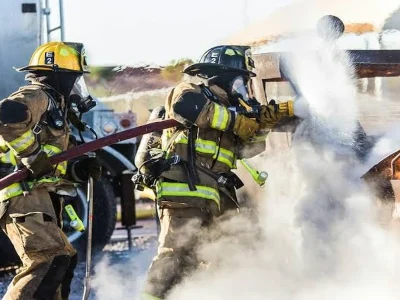
Fire watch provides additional protection during high-risk activities or when fire protection systems are temporarily unavailable. Trained personnel can monitor designated areas, identify hazards, and report signs of fire. This is particularly useful during construction, maintenance, and hot work.
Review the Strategy
Fire risks can change as buildings, equipment, and work activities change. Fire prevention plans should be reviewed regularly and updated when necessary. Reviewing previous incidents and reported hazards can also help businesses improve their safety practices.
Conclusion
A strong fire prevention strategy requires regular attention to hazards, equipment, work practices, and emergency procedures. Keeping areas organised, maintaining safety equipment, managing hot work, storing flammable materials properly, training workers, and using fire watch when needed can help reduce fire risks. A well-maintained plan provides better protection and helps create a safer environment for everyone.





Comments