
 By
By 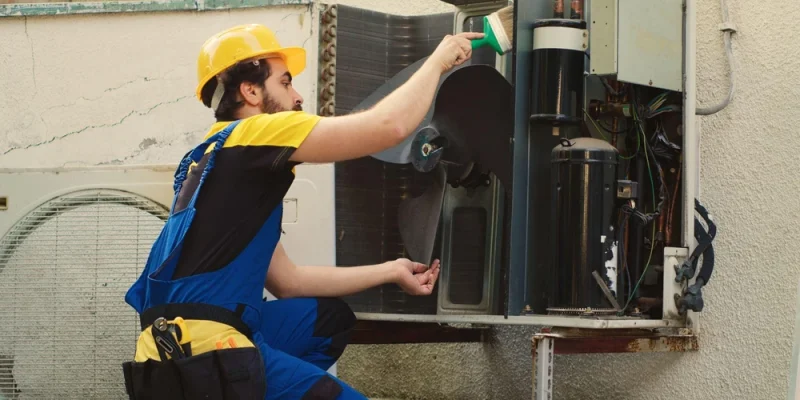
Key Highlights
- Several cooling problems can be identified through simple visual inspections.
- Basic checks help homeowners describe faults more accurately to technicians.
- Outdoor units can provide early signs of developing issues.
- Professional diagnosis remains essential for refrigerant and electrical faults.
Before Calling a Technician: Initial Steps
An air conditioner that suddenly stops cooling properly can be frustrating, but not every issue points to a major breakdown. Before arranging a service appointment, homeowners can safely perform a few simple checks to rule out common causes and gather useful information about the system’s condition.
Carrying out aircon troubleshooting in Singapore does not involve dismantling equipment or attempting technical repairs. Instead, it focuses on observing how the system behaves, checking accessible components and recognising warning signs that may indicate a developing fault. Such observations often make it easier for technicians to identify problems once they arrive.
Start with the Basics
Simple operating issues are far more common than many people realise. Before assuming the worst, run through a few fundamental checks to eliminate basic user or setting errors.
Basic Steps for Initial Checks:
- Verify System Mode
- Confirm the unit is set to cooling mode with a target temperature lower than the current room climate.
- Inspect Controls & Timers
- Check remote-control batteries and make sure no timer or sleep modes were accidentally turned on.
- Observe Operating Behaviour
- Watch how the system runs over a short period, noting any frequent on-and-off cycling, delayed cooling responses, or uneven airflow.
- Perform a Power Reset
- Turn the unit off and on to see if a quick reset temporarily resolves minor performance glitches.
These practical checks form the foundation of aircon troubleshooting in Singapore, helping you rule out minor setting mistakes before diving into more detailed inspections.
If performance issues persist after trying these basic steps, a deeper mechanical or maintenance-related problem is likely involved, meaning a professional inspection is the best next step.
Check Airflow and Indoor Components
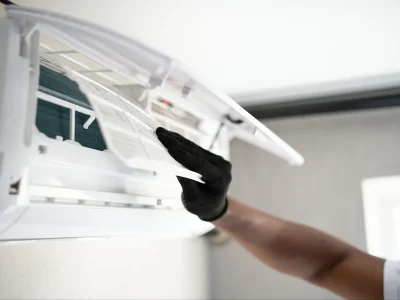
Airflow plays a major role in how effectively an air conditioner cools a room. Dirty air filters, blocked vents, or obstructed indoor units can significantly reduce performance. Homeowners can usually inspect filters safely and check whether airflow is being restricted by furniture or other objects placed too close to the unit.
It is also helpful to pay attention to any changes in sound or smell while the system is running. Rattling noises, weak airflow, or musty odours may indicate that the system requires cleaning or servicing. While these signs do not confirm a specific fault, they are useful indicators during professional assessment, especially when diagnosing an aircon condenser leak.
Although basic checks are safe, internal components should not be opened or cleaned without proper training. Attempting to access deeper parts of the system can lead to damage or safety risks. Instead, these observations should be recorded and shared with a technician for more accurate diagnosis.
Observe the Outdoor Unit
The outdoor condenser unit is another important area to inspect visually. Ensure that the surrounding space is clear of leaves, dust, or debris that may block airflow. A well-ventilated outdoor unit is essential for efficient heat release and overall cooling performance.
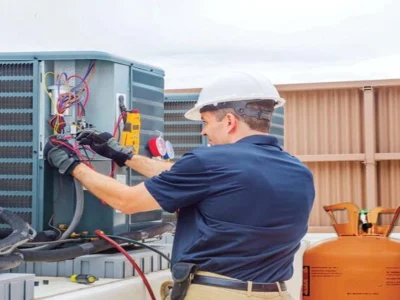
When diagnosing an aircon condenser leak, certain warning signs may be visible around the outdoor system. These can include oily residue near pipe connections, damaged insulation, or unusual frost formation. A noticeable drop in cooling efficiency may also suggest that refrigerant levels are affected.
While these signs can help identify potential issues, they should not be investigated further without professional tools and expertise. Refrigerant-related problems require specialised handling, and attempting repairs without proper knowledge can be unsafe and may worsen the damage.
Know When to Call a Technician
Basic inspections are useful, but they cannot replace a professional diagnosis. Electrical faults, refrigerant leaks, compressor issues, and internal mechanical failures all require trained technicians with the right equipment. If your unit continues to underperform after initial checks, arranging a service visit is the best course of action.
| Issue Type | Common Observable Symptoms | Technician Intervention Required |
| Electrical / Control Faults | Unit fails to turn on, remote control unresponsiveness, or frequent breaker trips. | Circuit testing, board repair, and safe electrical component replacement. |
| Airflow & Fan Failures | Weak or inconsistent air output, unusual grinding or rattling noises. | Blower motor repair, fan blade realignment, and internal blockage removal. |
| Refrigerant & Condenser Leaks | Reduced cooling capacity, warm air output, or visible fluid pooling near the outdoor unit. | Diagnosing an aircon condenser leak, pressure testing, and refrigerant recharging. |
| Compressor Issues | Heavy humming without cooling, frequent on-and-off cycling, or loud metallic sounds. | Compressor diagnostics, capacitor replacement, or full system overhaul. |
Providing clear details gathered during your initial aircon troubleshooting in Singapore-such as airflow issues, strange sounds, or visible signs around the outdoor unit-helps technicians pinpoint the fault much faster. In cases where diagnosing an aircon condenser leak is suspected, prompt reporting prevents further internal damage and keeps future repair costs down.
When to Seek Professional Support
A few simple checks can help homeowners understand whether an air conditioning problem has an obvious cause or requires expert attention. Looking at thermostat settings, airflow, and the condition of the outdoor unit provides valuable information without interfering with the system itself. When more complex faults are suspected, professional aircon troubleshooting in Singapore remains the most reliable way to restore safe and efficient operation.
Contact Newway for professional air conditioning diagnosis, maintenance and repair services that keep your cooling system performing at its best.
Frequently Asked Questions
- Why is my air conditioner not cooling the room properly?
- Check your settings to ensure it is in cooling mode and the temperature is set low.
- Should I fix my own air conditioning unit if it breaks?
- Only perform simple checks. Complex issues require professional technician help.
- What do strange noises from my air conditioner mean?
- They may indicate internal issues that need professional cleaning or repairs.
- How can I check my outdoor air conditioning unit safely?
- Keep the area clear of debris and check for visible leaks or unusual frost build.
- When is it necessary to call a professional technician?
- Call when basic checks fail or if you suspect refrigerant and electrical faults.


Comments