
 By
By 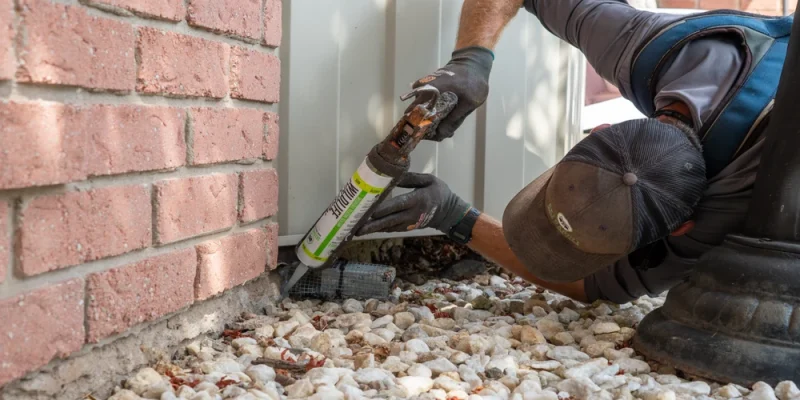
You might be getting your San Rafael home ready to sell, touching up paint, staging rooms, and watching the market. Then you hear something in the attic at night, or you notice a few droppings in the garage, and your stomach drops. Suddenly you are not just a seller. You are a seller who might have a rodent problem and needs a rat exclusion specialist.
If that is you, you are not overreacting. Buyers today are cautious. Inspectors are thorough. Even a hint of rodents can slow a sale, trigger repair requests, or give buyers leverage to push your price down. The good news is that with some careful rodent proofing, you can protect your sale and your peace of mind.
In simple terms, here is the big picture. There are clear warning signs that mice or rats are using your home. Ignoring them can cost you money and stress during escrow. Addressing them early with smart rodent control and prevention makes your home safer, cleaner, and more attractive to buyers.
Why rodents matter so much when you are selling in San Rafael
San Rafael has the perfect conditions for rodents. Mild weather, older crawlspaces and attics, and plenty of vegetation create easy shelter and food. You are not the only one dealing with this. It is common, but it still feels personal when it is your house on the line.
From a buyer’s point of view, rodents are not just “gross.” They raise questions. Has the wiring been chewed. Is there hidden damage in the walls. Are there health risks from droppings or urine. Once those questions are on the table, buyers start thinking about repair credits and price reductions.
Because of this tension, you might wonder what actually counts as a red flag and what is just normal wear and tear in an older Bay Area home.
What are the real warning signs you need rodent proofing before listing
Rodents are experts at hiding, so you often notice clues before you see the animals themselves. Here are the signs that your home needs rodent exclusion before sale, especially in a market like San Rafael where inspections are expected.
1. Droppings in “quiet” areas
You may find small, dark pellets in places you do not use every day. Common spots include behind stored boxes in the garage, under the kitchen sink, in the pantry, or along attic beams. Fresh droppings tend to be dark and slightly soft. Older ones look dry and crumbly.
Even a small amount can indicate an active path. Inspectors are trained to spot this, and it almost always goes into their report.
2. Noises in walls, ceilings, or the attic at night
Scratching, light scampering, or thumping overhead in the evening or early morning is a classic sign. Rodents are most active at night, so if you hear movement when the house is otherwise quiet, that is a strong clue they are nesting or traveling through your structure.
This can be especially worrying during showings if buyers visit in the evening and hear it themselves.
3. Chewed materials and gnaw marks
Rodents chew to keep their teeth short. You might see gnaw marks on wood, cardboard boxes, plastic storage bins, or even electrical wiring. In garages and basements, look at the bottom corners of doors, baseboards, and stored items.
Chewed insulation or wires can turn a simple pest concern into a safety concern, which is exactly the kind of thing that makes buyers nervous.
4. Grease marks and “runways” along edges
Rats and mice tend to travel along walls. Over time, the oils from their fur can leave faint dark streaks on baseboards or pipes. You may also notice well worn paths through insulation in the attic or through dust in the crawlspace.
These runways tell a story. They show where rodents are entering, where they travel, and where a professional will focus during rodent proofing.
5. Odors that are hard to explain
A musty, slightly ammonia like smell in enclosed areas can come from rodent urine. Some sellers notice it in closets that stay closed, in the attic, or in the space under the kitchen sink. Odor is one of the first things buyers notice when they walk in, even before they comment on your staging.
6. Visible entry points around the exterior
Even if you do not see rodents inside, gaps and openings give them an easy invitation. Look for spaces around utility lines, gaps under garage doors, cracks in the foundation, and openings in eaves or rooflines. If you can fit a pencil through a gap, a mouse can usually squeeze in. If you can fit a thumb, a young rat may get through.
Inspectors in San Rafael often include these openings in their reports, which then land on the buyer’s desk as “recommended repairs.”
How can rodent issues affect your sale if you ignore them
It can be tempting to hope the problem stays quiet until after closing. The risk is that rodents rarely stay quiet, and buyers rarely skip inspections.
Imagine this. You accept an offer. During the home inspection, the inspector finds droppings in the attic and gnaw marks on some wiring. They recommend immediate pest control and a licensed electrician. Now the buyer wants a sizable credit, or they ask you to complete all rodent proofing and repairs before closing. Escrow stalls while everyone argues over costs.
In another scenario, the buyer gets spooked and walks away. Your listing returns to the market with a “back on market” note, which can raise questions for future buyers.
Contrast that with a seller who spots early signs and invests in rodent proofing before selling. They can show receipts, possibly a warranty from a pest control company, and a clean re inspection. This shifts the tone from “problem” to “resolved issue,” which buyers handle much more calmly.
DIY control or professional help before selling your home
So where does that leave you. You can try to handle rodents on your own, or you can bring in a professional pest control service. Both paths have pros and cons, especially when you are preparing for a sale.
The resources from the California Department of Pesticide Regulation on managing rodents with integrated pest management and UCSF’s guide on integrated pest management for rodents explain why focusing on sealing entry points and sanitation is more effective than relying only on poisons or traps.
Here is a simple comparison to help you think it through.
| Approach | What it involves | Pros when selling | Cons and risks |
| DIY rodent control | Using traps or bait, sealing obvious gaps with foam or steel wool, cleaning droppings with care | Lower upfront cost. You control the timing. Good for very minor, early issues. | Easy to miss hidden entry points. Inspectors may still recommend professional work. Can be stressful and time consuming. |
| Professional rodent proofing | Inspection of attic, crawlspace, and exterior. Sealing entry points. Trapping and removal. Clean up and sanitation. | More thorough. Often comes with documentation and sometimes a warranty. Reassuring to buyers and their agents. | Higher cost. Requires scheduling. Quality depends on the company you choose. |
| Ignore and hope it passes | No action. Rely on luck or minimal activity. | No immediate cost or effort. | High chance of discovery during inspection. Can delay closing, reduce sale price, or lose buyers. |
For a primary residence in San Rafael, especially an older home, most sellers find that some level of professional pest control gives them more certainty during negotiations.
Three practical steps you can take right now
1. Do a focused “seller’s inspection” for rodent signs
Set aside an hour when the house is quiet. With a flashlight, check the attic access, under sinks, behind appliances, in the garage, and along baseboards in storage areas. Look for droppings, gnaw marks, shredded nesting material, and grease marks.
Make notes of anything you find. Treat this like your own mini inspection so nothing surprises you later.
2. Address sanitation and simple entry points immediately
Even before you bring in a professional, you can reduce the appeal of your home to rodents. Store pet food and bird seed in sealed containers. Clear clutter in garages and sheds. Trim back vegetation that touches the house. Repair or adjust weather stripping on doors where you see light coming through.
For small gaps around pipes or vents, use steel wool combined with caulk or another sealant that rodents cannot chew through easily. Avoid relying only on spray foam, since they can chew that out quickly.
3. Get a professional opinion before you list
If you have found any concerning signs, schedule a reputable pest control company for an inspection. Ask them to focus on rodent entry points, activity in the attic and crawlspace, and what they recommend for full rodent proofing before sale.
Request written findings and estimates. If you move forward with the work, keep those records. They can be shared with buyers to show that you have taken the issue seriously and that the home is under control.
Preparing to sell a home in San Rafael is already emotional. Adding rodents to the mix can make you feel embarrassed, anxious, or even a little overwhelmed. You are not alone, and you are not stuck.
By paying attention to the early warning signs, taking simple actions right away, and using targeted rodent control services when needed, you protect both your health and your equity. You also walk into buyer inspections with more confidence, because you know what is going on in your attic and walls instead of hoping for the best.
You do not have to make every decision today. Start with that careful walk through, note what you see, and then decide whether DIY steps are enough or if it is time to bring in professional pest control support. Each step you take now makes your home more welcoming for buyers and gives you a smoother path to closing.





Comments